
The Anti-Inflammatory Diet: What to Eat and Why
Inflammation is one of those words that gets thrown around a lot in health and wellness circles, often without clear explanation. At its most basic, inflammation is your body's immune response to harm. When you cut your finger, the redness and swelling that follow are acute inflammation—your body sending white blood cells to fight infection and repair tissue. This type of inflammation is healthy and necessary. The problem arises when inflammation becomes chronic: a low-grade, persistent immune response triggered not by injury but by lifestyle factors like stress, poor sleep, and—most significantly—diet. Chronic inflammation has been linked to heart disease, diabetes, cancer, Alzheimer's, autoimmune disorders, and a host of other conditions. The good news? What you eat can be one of the most powerful tools for reducing chronic inflammation. This guide explains the science behind anti-inflammatory eating and provides practical guidance for building an anti-inflammatory meal plan.
The Science of Inflammation and Food
Certain foods trigger inflammatory pathways in your body. Refined sugars cause rapid blood sugar spikes that promote the release of inflammatory cytokines. Trans fats and excessive omega-6 fatty acids (found in many processed seed oils) stimulate the production of pro-inflammatory molecules. Highly processed foods, with their cocktails of artificial additives and preservatives, have been shown to increase markers of systemic inflammation in multiple clinical studies.
The anti-inflammatory diet is closely tied to your macronutrient balance. Revisit our macronutrient guide to understand how protein, fats, and carbs each affect inflammation.
Conversely, other foods contain compounds that actively suppress inflammation. These anti-inflammatory compounds include omega-3 fatty acids, polyphenols, flavonoids, carotenoids, and various vitamins and minerals. When you consistently eat foods rich in these compounds, you create an internal environment that resists chronic inflammation rather than fueling it.
The Foundation: Omega-3 Fatty Acids
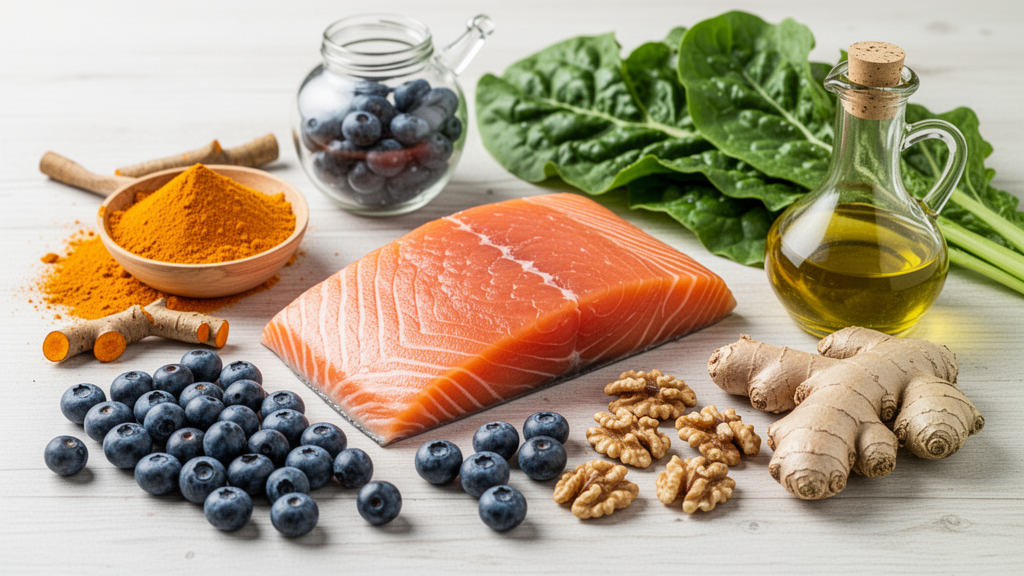
If there is a single nutrient most associated with anti-inflammatory eating, it is omega-3 fatty acids. Found abundantly in fatty fish like salmon, mackerel, sardines, and anchovies, omega-3s have been shown in hundreds of studies to reduce levels of inflammatory markers like C-reactive protein, interleukin-6, and tumor necrosis factor alpha. The mechanism is direct: omega-3s are incorporated into cell membranes throughout your body, where they produce compounds called resolvins and protectins that actively resolve inflammation.
Many processed foods contain hidden inflammatory ingredients. Learn how to read nutrition labels to spot these culprits before they reach your plate.
The recommended intake is at least two servings of fatty fish per week, though many researchers suggest that more is better. For those who do not eat fish, plant-based sources of omega-3s include flaxseeds, chia seeds, walnuts, and hemp seeds, though the form of omega-3 in these foods (ALA) is less efficiently used by the body than the form found in fish (EPA and DHA). A high-quality fish oil supplement can bridge the gap for non-fish-eaters.
Colorful Fruits and Vegetables
The color of a fruit or vegetable is often a visible indicator of its anti-inflammatory potential. Deep reds, purples, oranges, and greens signal the presence of polyphenols, flavonoids, and carotenoids—powerful antioxidant compounds that neutralize free radicals and reduce oxidative stress, a key driver of chronic inflammation.
Protein supports tissue repair and reduces inflammation. Try these high-protein meal prep recipes that are packed with anti-inflammatory ingredients like salmon, chicken, and legumes.
Berries are superstars in this category. Blueberries, strawberries, raspberries, and blackberries are packed with anthocyanins, which have demonstrated potent anti-inflammatory effects in both laboratory and clinical studies. Leafy greens like spinach, kale, and Swiss chard provide vitamin K, folate, and lutein. Cruciferous vegetables like broccoli, cauliflower, and Brussels sprouts contain sulforaphane, a compound with remarkable anti-inflammatory and anti-cancer properties. Tomatoes provide lycopene, sweet potatoes deliver beta-carotene, and beets offer betalains—each with its own anti-inflammatory mechanism.
The practical takeaway is simple: eat a wide variety of colorful produce every day. Aim for at least five servings, and try to include as many different colors as possible. Each color represents a different family of protective compounds, and diversity is key to comprehensive anti-inflammatory coverage.
The Role of Spices and Herbs
Some of the most potent anti-inflammatory compounds on the planet are found not in exotic superfoods but in your spice rack. Turmeric, the golden spice that gives curry its color, contains curcumin, one of the most studied anti-inflammatory compounds in nutritional science. Curcumin has been shown to inhibit NF-kB, a molecule that travels into the nuclei of your cells and turns on genes related to inflammation. To maximize absorption, always combine turmeric with black pepper, which contains piperine and increases curcumin absorption by up to 2,000 percent.
Start your anti-inflammatory journey first thing in the morning with these quick breakfast ideas that feature inflammation-fighting ingredients like oats and berries.
Ginger is another powerful anti-inflammatory spice, containing gingerols and shogaols that inhibit the synthesis of pro-inflammatory prostaglandins. Cinnamon, rosemary, oregano, and cloves all contain significant anti-inflammatory compounds as well. The beauty of spices is that they add flavor and health benefits simultaneously—there is no downside to using them generously in your cooking.
Healthy Fats Beyond Fish
Extra virgin olive oil is a cornerstone of anti-inflammatory diets, particularly the Mediterranean diet, which is often considered the gold standard of anti-inflammatory eating patterns. Olive oil contains oleocanthal, a compound that has been shown to have similar anti-inflammatory effects to ibuprofen. It also provides a rich source of monounsaturated fats and polyphenols. Use extra virgin olive oil as your primary cooking fat and salad dressing base.
Avocados provide monounsaturated fats along with potassium, magnesium, and fiber. Nuts—particularly walnuts, almonds, and pistachios—combine healthy fats with vitamin E, a fat-soluble antioxidant that protects cells from inflammatory damage. Seeds like flax, chia, and hemp add omega-3s and lignans to your anti-inflammatory arsenal.
What to Avoid
Knowing what to eat is only half the equation. Equally important is understanding what to limit or eliminate. Refined sugars and high-fructose corn syrup are among the most inflammatory substances in the modern diet. Processed meats like hot dogs, bacon, and deli meats contain advanced glycation end products and nitrates that promote inflammation. Refined carbohydrates like white bread, pastries, and most breakfast cereals cause rapid blood sugar fluctuations that trigger inflammatory responses.
Excessive alcohol consumption promotes inflammation by damaging the gut lining and allowing bacterial toxins to enter the bloodstream. Artificial trans fats, found in some margarines, packaged baked goods, and fried foods, are strongly pro-inflammatory. And while the research is still evolving, many experts recommend limiting omega-6-heavy seed oils (soybean, corn, sunflower) in favor of olive oil and coconut oil.
Building Your Anti-Inflammatory Meal Plan
An anti-inflammatory day of eating might look like this: breakfast is a smoothie bowl made with frozen berries, spinach, almond butter, chia seeds, and a splash of almond milk, topped with walnuts and a sprinkle of turmeric. Lunch is a salmon fillet over a bed of mixed greens with cherry tomatoes, avocado, cucumber, and an olive oil-lemon dressing. An afternoon snack is a handful of almonds and an apple. Dinner is a chicken thigh roasted with garlic and rosemary, served with roasted sweet potatoes and steamed broccoli drizzled with olive oil.
Notice the pattern: every meal and snack includes at least one or two anti-inflammatory powerhouses. Over time, this consistent pattern creates a cumulative anti-inflammatory effect that goes far beyond any single supplement or superfood. And if you want anti-inflammatory meals without the planning and cooking, explore the options from health-focused providers on Fondoo—many specialize in nutrient-dense, anti-inflammatory meal prep that takes the guesswork out of healthy eating.
Related Articles
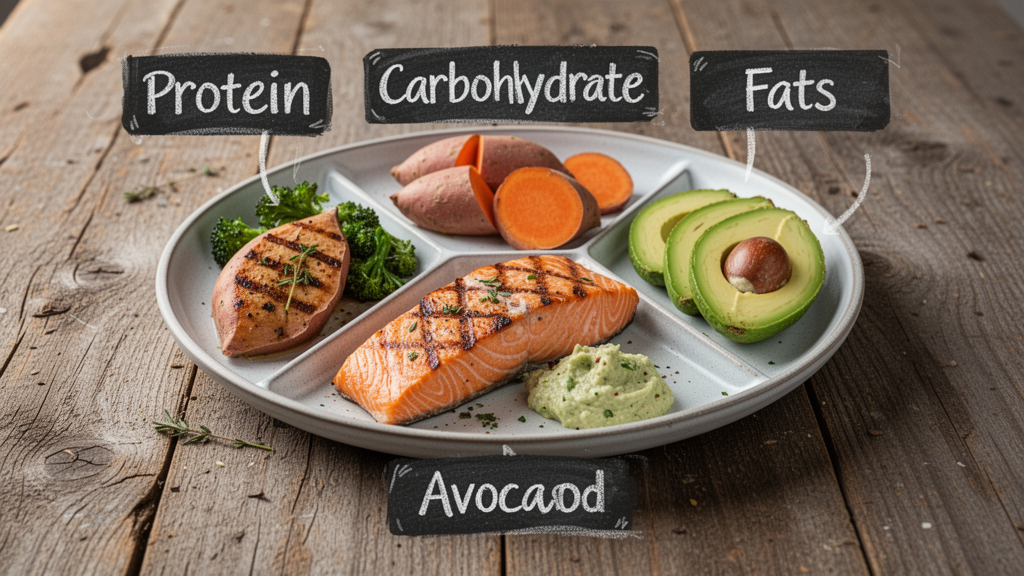
Understanding Macronutrients: A Simple Breakdown
Learn what proteins, carbs, and fats do for your body and how to balance them in your meals.
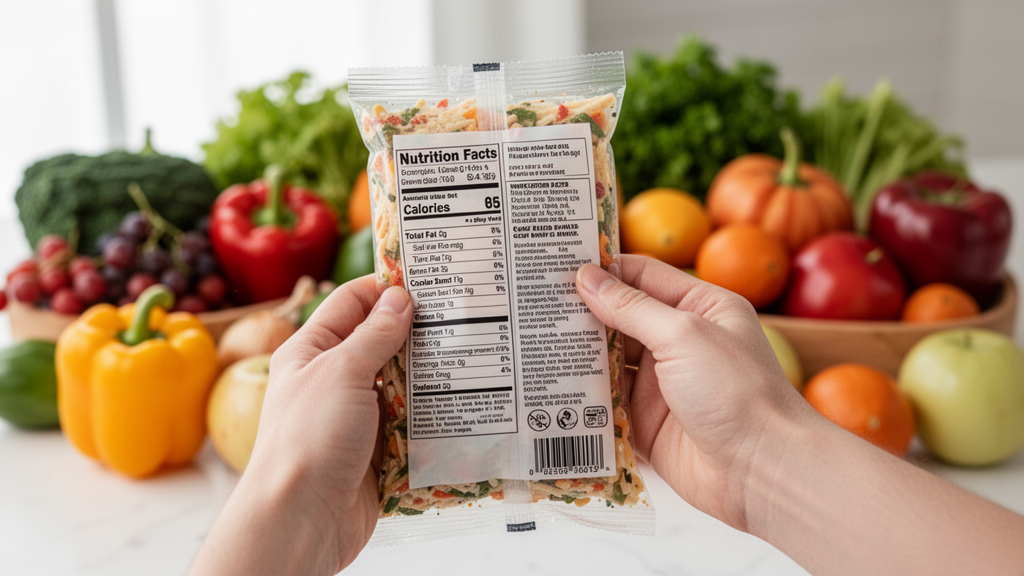
How to Read Nutrition Labels Like a Pro
Decode serving sizes, daily values, and ingredient lists to make smarter food choices.
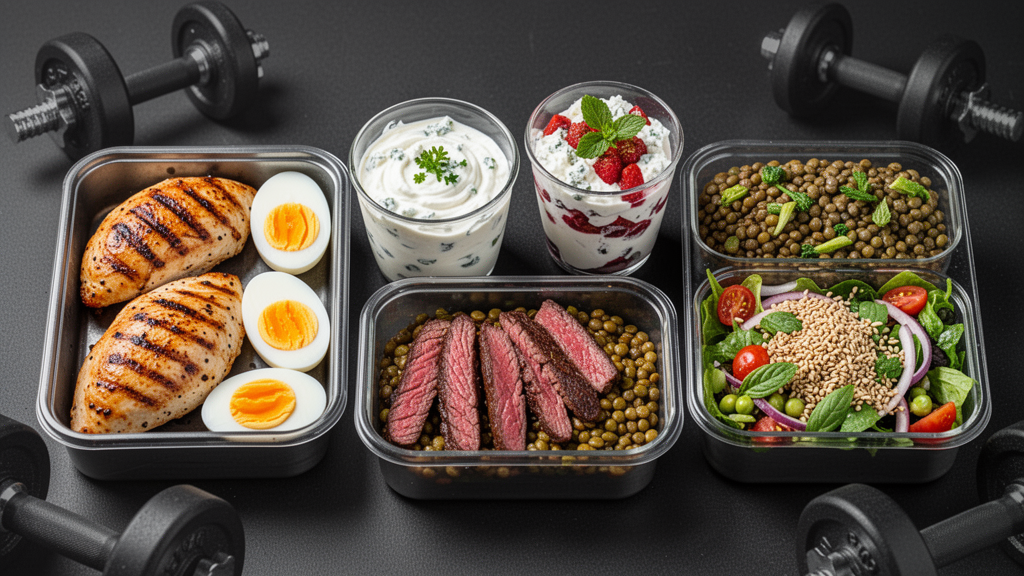
10 High-Protein Meal Prep Recipes for Muscle Building
Fuel your fitness goals with these protein-packed recipes designed for batch cooking.