
How to Read Nutrition Labels Like a Pro
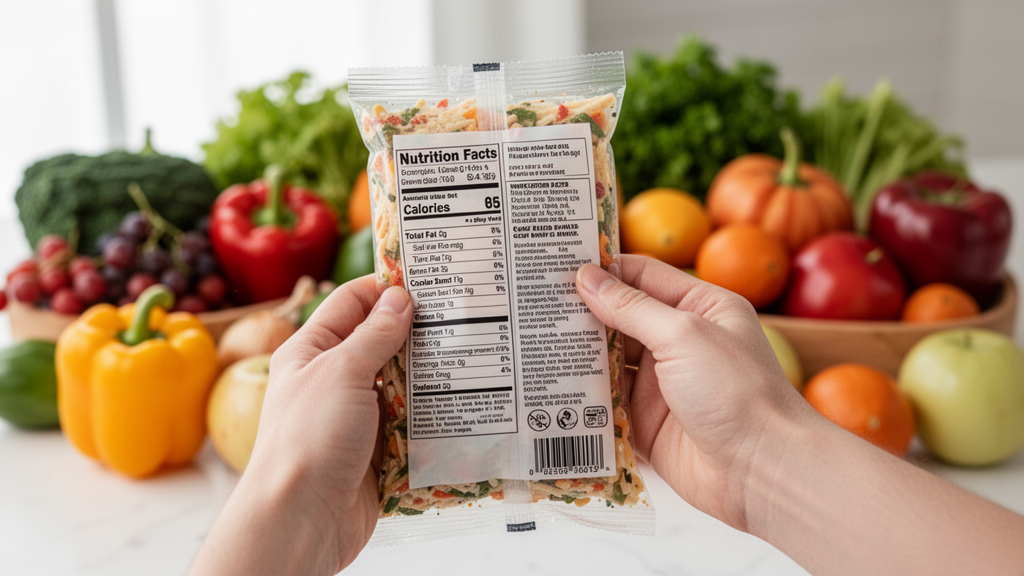
Nutrition labels are on virtually every packaged food product you buy, yet most people barely glance at them. When they do, many focus only on calories or one or two nutrients without understanding the full picture. Learning to read nutrition labels properly is one of the most practical skills you can develop for improving your diet. It takes just a few seconds once you know what to look for, and it can fundamentally change the way you shop, eat, and think about food. This guide will walk you through every section of a standard nutrition label and teach you exactly what to pay attention to and what to ignore.
Start with the Serving Size
The serving size is the single most important number on the label, and it is the one most people overlook. Every other number on the label—calories, fat, protein, sodium, everything—is based on this serving size. If the serving size is one cup but you eat two cups, you need to double every number on the label. This is where food manufacturers often get sneaky. A bag of chips might list 140 calories per serving, which sounds reasonable, until you notice that the serving size is just fifteen chips and the bag contains four servings. That modest-looking snack is actually 560 calories if you eat the whole bag.
Always start by checking the serving size and asking yourself: is this a realistic amount? Am I going to eat this much or more? Once you have anchored yourself to the serving size, the rest of the label becomes meaningful.
Calories: Context Matters
Calories measure the total energy a food provides. The general guideline is that 2,000 calories per day is a reasonable target for an average adult, though individual needs vary significantly based on age, sex, size, and activity level. A 130-calorie snack is modest. A 600-calorie meal is substantial. But calories alone tell you nothing about the quality of the food.
Two hundred calories of salmon is not the same as 200 calories of gummy bears. The salmon gives you protein, healthy fats, and omega-3 fatty acids. The gummy bears give you sugar and not much else. This is why focusing solely on calories is misguided. Use the calorie count as a starting point, then dig into the macronutrient breakdown to understand what those calories are made of.
The Fat Section: Look Beyond the Total
The fat section of a nutrition label breaks down total fat into several subcategories: saturated fat, trans fat, and sometimes polyunsaturated and monounsaturated fat. Total fat is less important than the type of fat. Saturated fat should be limited to less than ten percent of your daily calories, which translates to roughly 20 grams per day on a 2,000-calorie diet. Trans fat should ideally be zero. If a product contains any trans fat, that is a strong signal to put it back on the shelf.
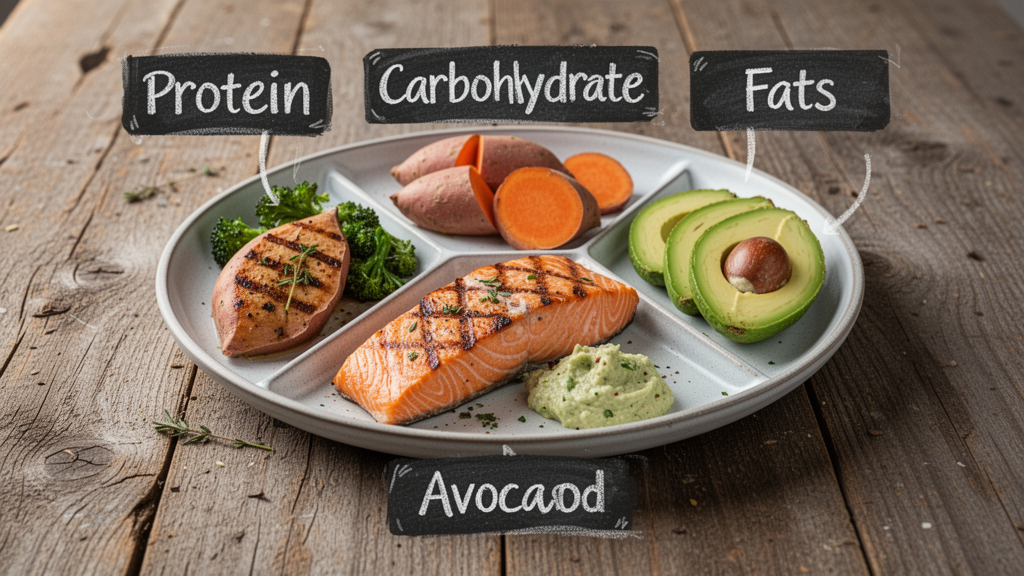
For a deeper understanding of what those macro numbers on the label mean for your body, read our simple breakdown of macronutrients.
On the positive side, unsaturated fats (polyunsaturated and monounsaturated) are beneficial. Foods high in these fats—like nuts, avocados, olive oil, and fatty fish—actively support heart health and reduce inflammation. When evaluating a product's fat content, look at the ratio of unsaturated to saturated fat rather than just the total number.
Sodium: The Silent Overachiever
Sodium is one of the most important numbers on the label, especially if you eat a lot of processed or packaged foods. The recommended daily intake is less than 2,300 milligrams, which is about one teaspoon of table salt. Yet the average American consumes over 3,400 milligrams per day, most of it from packaged foods rather than the salt shaker.
High sodium intake is linked to elevated blood pressure, heart disease, and stroke. When reading labels, look for products with less than 600 milligrams of sodium per serving for main dishes and less than 200 milligrams for snacks and sides. Be especially vigilant with canned soups, deli meats, frozen meals, and condiments, which are notorious sodium sources.
Carbohydrates: Total, Fiber, and Sugar
The carbohydrate section breaks down into total carbohydrates, dietary fiber, total sugars, and added sugars. Total carbs give you the big picture, but the real insights are in the subcategories. Dietary fiber is a nutrient most people do not get enough of. Aim for at least 25 to 30 grams per day. High-fiber foods keep you full longer, support digestive health, and help regulate blood sugar. When comparing two similar products, choose the one with more fiber.
Added sugars are the number to watch most carefully. The FDA now requires manufacturers to distinguish between naturally occurring sugars (like those in fruit and dairy) and added sugars (sweeteners added during processing). The recommended limit for added sugars is 50 grams per day, but most health professionals suggest staying well under that. Some seemingly healthy products—flavored yogurts, granola bars, smoothies—can contain alarming amounts of added sugar.
Protein: The Straightforward Number
The protein line is refreshingly simple. More is generally better, especially if you are active. There is no Daily Value percentage listed for protein on most labels, but as a reference, most adults need 50 to 100 grams per day depending on their activity level and body weight. High-protein foods (anything with more than 10 grams per serving) are worth seeking out, especially for snacks where protein tends to be lacking.
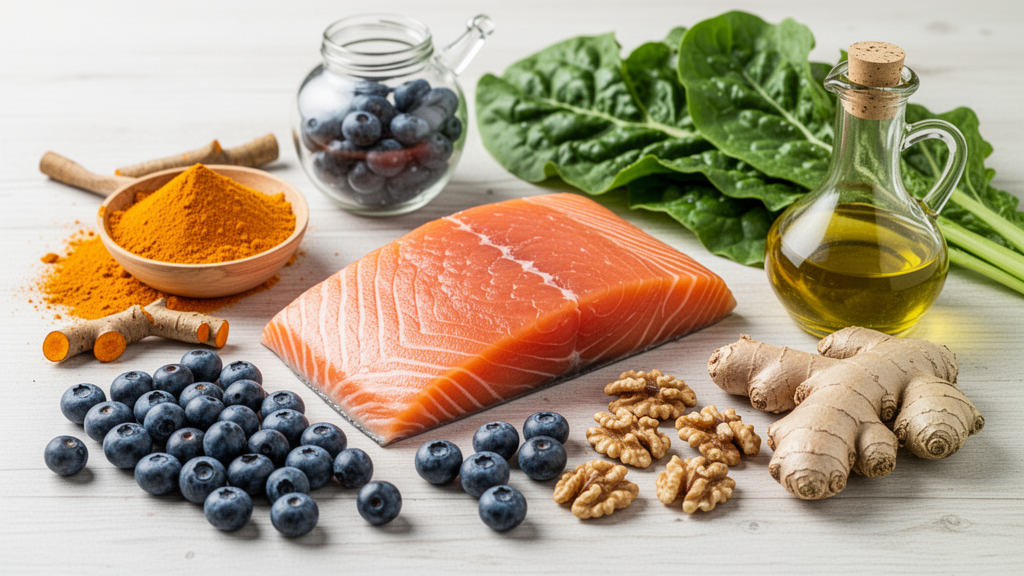
Labels can also help you identify inflammatory ingredients. Our anti-inflammatory diet guide lists specific ingredients to watch out for on nutrition panels.
The Percent Daily Value Column
The percent Daily Value column on the right side of the label shows how much of each nutrient one serving provides relative to a 2,000-calorie diet. A quick rule of thumb: 5 percent or less is considered low, and 20 percent or more is considered high. Use this column to quickly assess whether a food is a good source of nutrients you want more of (fiber, vitamins, minerals) or a significant source of nutrients you want to limit (sodium, saturated fat, added sugars).
The Ingredient List: The Story Behind the Numbers
Below the nutrition facts panel, you will find the ingredient list. Ingredients are listed in order of weight, meaning the first ingredient makes up the largest proportion of the food. If sugar (or one of its many aliases: high fructose corn syrup, cane sugar, dextrose, maltose, sucrose) appears in the first three ingredients, the product is essentially sugar-forward regardless of what the front of the package claims.
A general rule: the shorter the ingredient list, the better. Whole foods like chicken breast, brown rice, and broccoli do not need labels at all. When you do buy packaged foods, look for products with ingredients you can recognize and pronounce.
Applying This at the Grocery Store and Beyond
Reading labels might seem tedious at first, but it quickly becomes second nature. Within a few shopping trips, you will develop an intuition for which products align with your nutritional goals and which ones are marketing illusions dressed up as health food. And here is the best part: when you order from a meal prep service on Fondoo, the nutrition information is displayed transparently on every dish, making it effortless to make informed choices without standing in a grocery aisle squinting at fine print. Knowledge is power, and when it comes to nutrition labels, that power translates directly to better health.
Being label-savvy also helps you shop smarter and spend less. Discover how meal prep and smart shopping can save you $200+ per month.
Related Articles
Understanding Macronutrients: A Simple Breakdown
Learn what proteins, carbs, and fats do for your body and how to balance them in your meals.
The Anti-Inflammatory Diet: What to Eat and Why
Chronic inflammation is linked to many diseases. Learn which foods can help reduce it naturally.
10 High-Protein Meal Prep Recipes for Muscle Building
Fuel your fitness goals with these protein-packed recipes designed for batch cooking.