
The Nutrition Guide
Fondoo's comprehensive resource for decoding macros, understanding dietary tags, and mastering your nutritional goals.
Why Macros Matter
"Macros" is short for macronutrients—the three main components of food that provide energy (calories). While eating whole, unprocessed foods is highly beneficial, tracking your balance of Protein, Carbs, and Fats allows you to precision-target fitness goals. Check out our deep dive on understanding macros for more context.
Common Macro Ratios by Goal
| Goal | Carbs | Protein | Fats |
|---|---|---|---|
| Weight Loss | 10-30% | 40-50% | 30-40% |
| Maintenance | 30-50% | 25-35% | 25-35% |
| Muscle Building | 40-60% | 25-35% | 15-25% |
| Endurance (Cardio) | 50-70% | 15-20% | 20-30% |
The Core Elements
Calories
A measure of the energy provided by the food. Knowing your daily caloric needs (TDEE) is the foundation of weight management. As a rule of thumb, 1 lb of body fat is roughly equivalent to 3,500 calories.
Protein
Essential for building and repairing tissues, especially muscle. High-protein meals help you feel full longer and have a higher thermic effect (burning more calories during digestion).
Carbohydrates
Your body's preferred and main energy source. Our providers often balance complex carbs for sustained energy to avoid the crash associated with simple sugars.
Fats
Crucial for hormone regulation, brain function, and nutrient absorption (Vitamins A, D, E, and K). We encourage meals rich in healthy, unsaturated fats.
Fiber & Sugar
Dietary fiber aids digestion and keeps blood sugar stable. The daily recommended fiber intake is 25-38g.
Essential Micronutrients
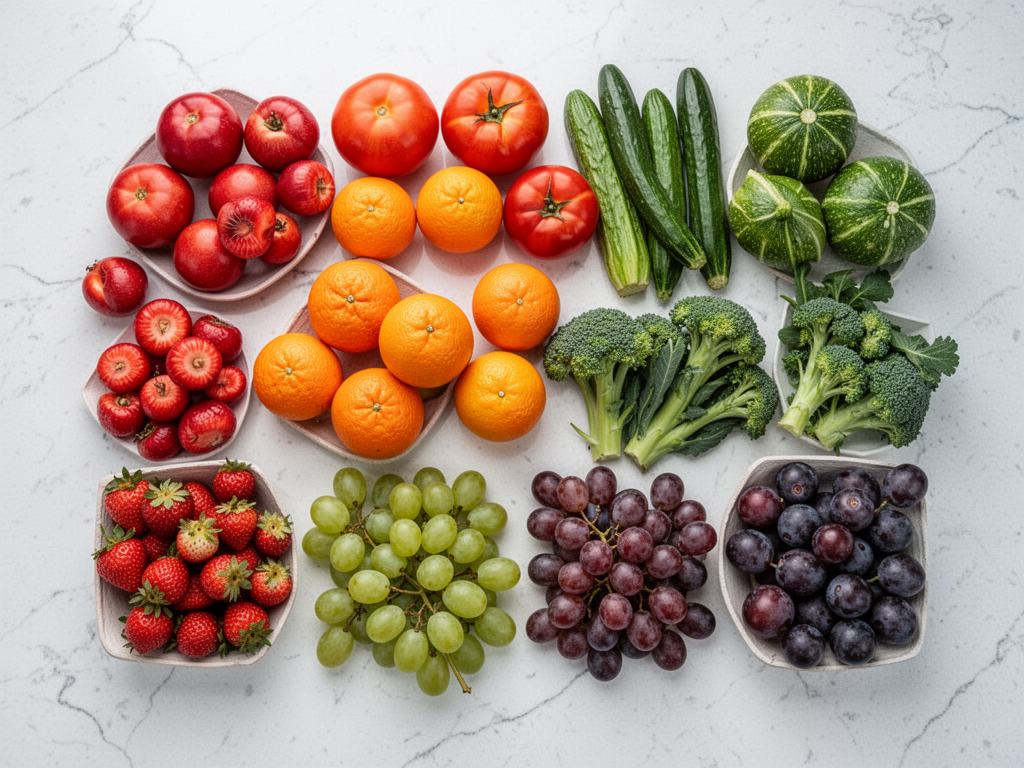
While macros provide the energy, micronutrients (vitamins and minerals) are the spark plugs that make the engine run efficiently. An anti-inflammatory diet is typically rich in these.
Vitamin A
Vital for vision, immune system, and reproduction.
Vitamin B12
Crucial for nerve function and the production of DNA and red blood cells.
Vitamin C
Antioxidant that protects cells and aids in iron absorption and collagen synthesis.
Vitamin D
Essential for bone health, calcium absorption, and immune function.
Iron
Carries oxygen in the blood. Pair plant-based iron with Vitamin C for better absorption.
Calcium
Maintains strong bones and supports heart, muscle, and nerve function.
Magnesium
Involved in over 300 biochemical reactions, including energy creation and muscle relaxation.
Zinc
Supports the immune system and helps the body make proteins and DNA.
Potassium
Helps regulate fluid balance, muscle contractions, and nerve signals.
Omega-3
Essential fatty acids that reduce inflammation and support brain health.
Understanding Portion Sizes
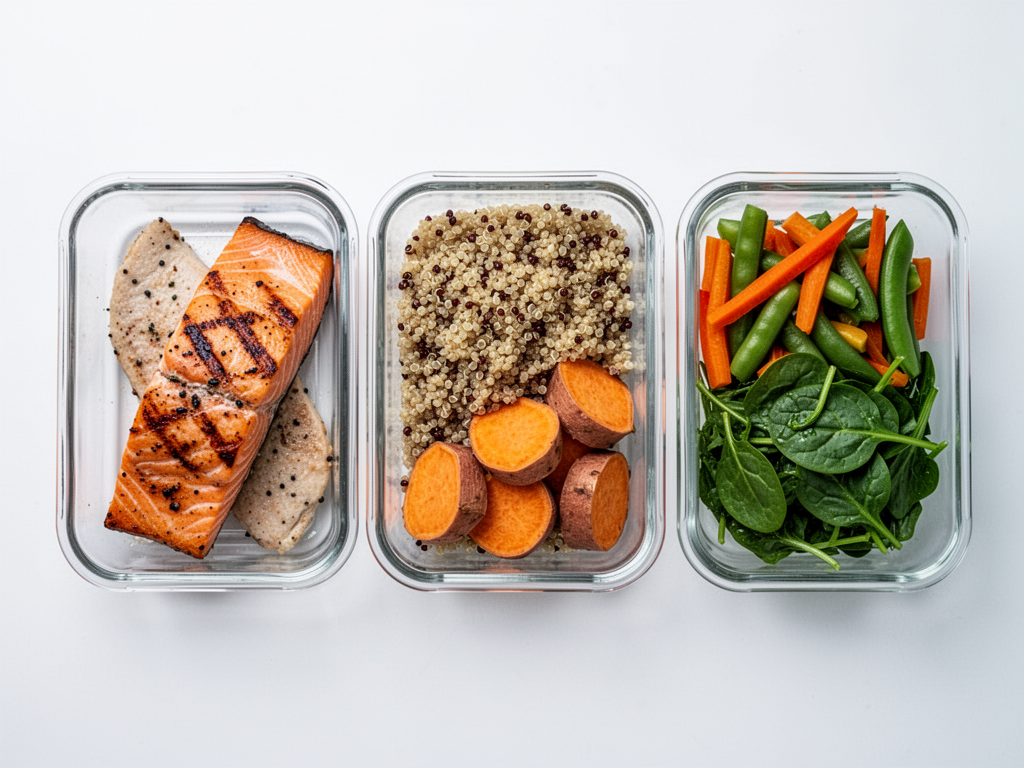
Don't have a food scale handy? Use your hand as a quick visual reference for building your plate or estimating portions when dining out.
1 Cup
Vegetables, Rice, Pasta
3-4 oz
Protein (Chicken, Fish, Beef)
1/2 Cup
Starchy Carbs, Fruit, Beans
1 Tablespoon
Fats, Oils, Peanut Butter
Building a Balanced Plate
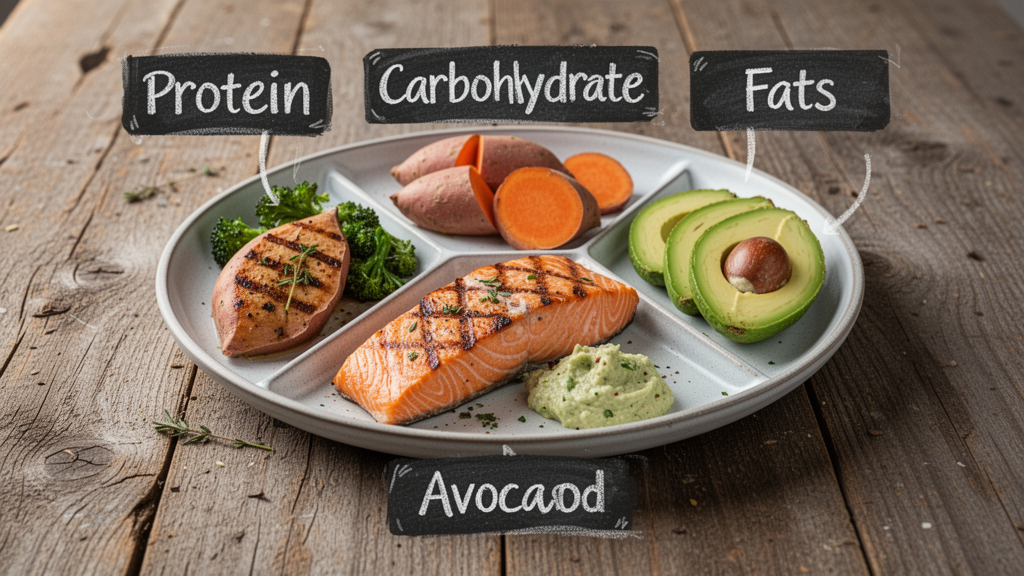
When selecting meals from Fondoo providers, look for options that generally align with this ideal composition, adjusting slightly based on your specific goals (like high-protein or keto).
Dietary Labels Explained
Keto
Very low carbohydrate, high fat. Designed to keep the body in a metabolic state called ketosis.
Paleo
Focuses on whole foods like lean meats, fish, fruits, and seeds. Excludes dairy, grains, and processed sugar.
Vegan
Contains zero animal products. No meat, poultry, fish, dairy, eggs, or honey.
Gluten-Free
Excludes wheat, barley, rye. Crucial for celiac disease or sensitivities.
Mediterranean
High in vegetables, fruits, whole grains, beans, and healthy fats like olive oil. Moderate poultry and fish.
Whole30
A 30-day elimination diet strictly excluding sugar, alcohol, grains, legumes, soy, and dairy.
Low-FODMAP
Restricts certain carbohydrates that are poorly absorbed in the gut, helping manage IBS symptoms.
Dairy-Free
Excludes all milk products and byproducts (cheese, butter, whey).
Nut-Free
Prepared without tree nuts or peanuts, essential for severe allergy management.
Halal / Kosher
Prepared following specific religious dietary laws regarding meat processing and ingredient combinations.
Low-Sodium
Strictly limits salt content, beneficial for managing blood pressure and heart health.

Hydration
Water is essential for digestion, nutrient absorption, and metabolism. Dehydration can often masquerade as hunger.
- Target: Drink at least half your body weight in ounces per day.
- Electrolytes: Sodium, potassium, and magnesium help maintain fluid balance, especially after workouts.
- Timing: Drink a large glass of water 30 minutes before meals to aid digestion and prevent overeating.
Meal Timing
While total daily intake matters most, timing can optimize performance and recovery.
- Intermittent Fasting: Compresses the eating window (e.g., 16:8), which can help regulate insulin and manage caloric intake.
- Pre-Workout: Consume complex carbs and moderate protein 1-2 hours before training.
- Post-Workout: Prioritize fast-absorbing protein and carbs within 45 minutes to kickstart muscle repair.
How to read Fondoo menus
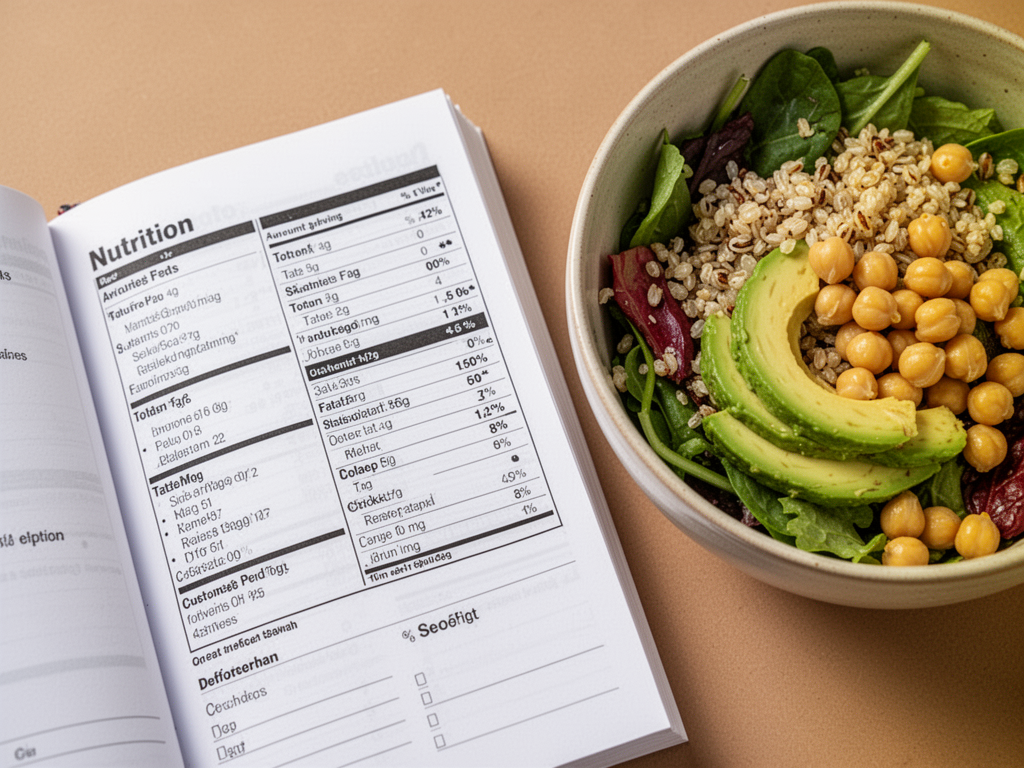
Every menu item on Fondoo features a "Nutritional Profile" box. This data is rigorously calculated to help you hit your targets. Learn more about how to read nutrition labels.
Check the Calories
Ensure the meal fits within your daily caloric budget for that specific meal slot (e.g., a 600-calorie lunch).
Scan the Macros
Look at the Protein/Carb/Fat breakdown. Is this a high-protein recovery meal or a fat-heavy keto option?
Review Dietary Tags & Allergens
Providers clearly mark allergens (nuts, dairy, gluten) and dietary alignments (Vegan, Paleo) below the macros.
Note the Portion Size
Remember that macros are per container. Most Fondoo meals are designed as single servings, but always verify.
Frequently Asked Questions
Understanding Macronutrients: A Simple Breakdown
Learn what proteins, carbs, and fats do for your body and how to balance them in your meals.
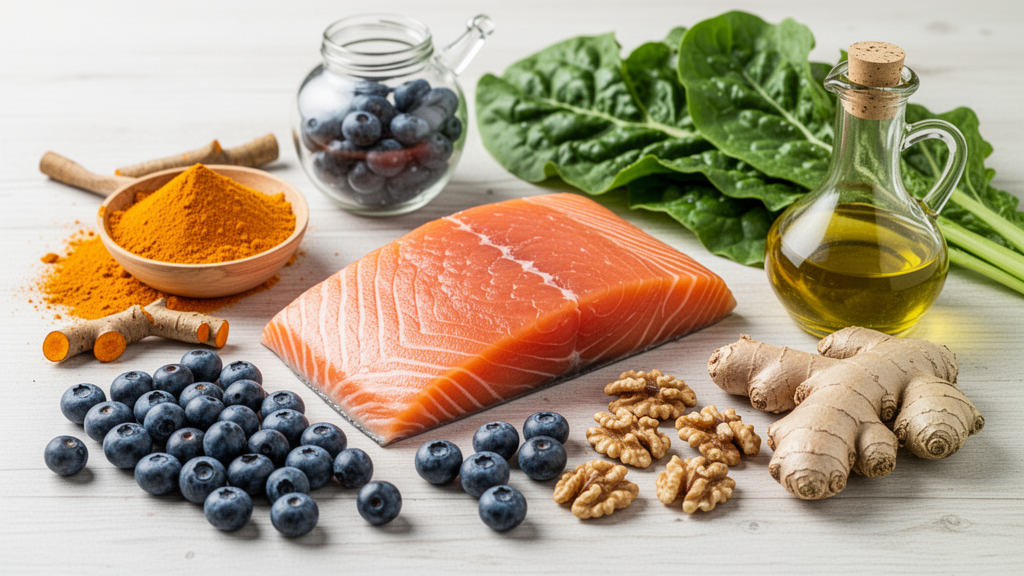
The Anti-Inflammatory Diet: What to Eat and Why
Chronic inflammation is linked to many diseases. Learn which foods can help reduce it naturally.
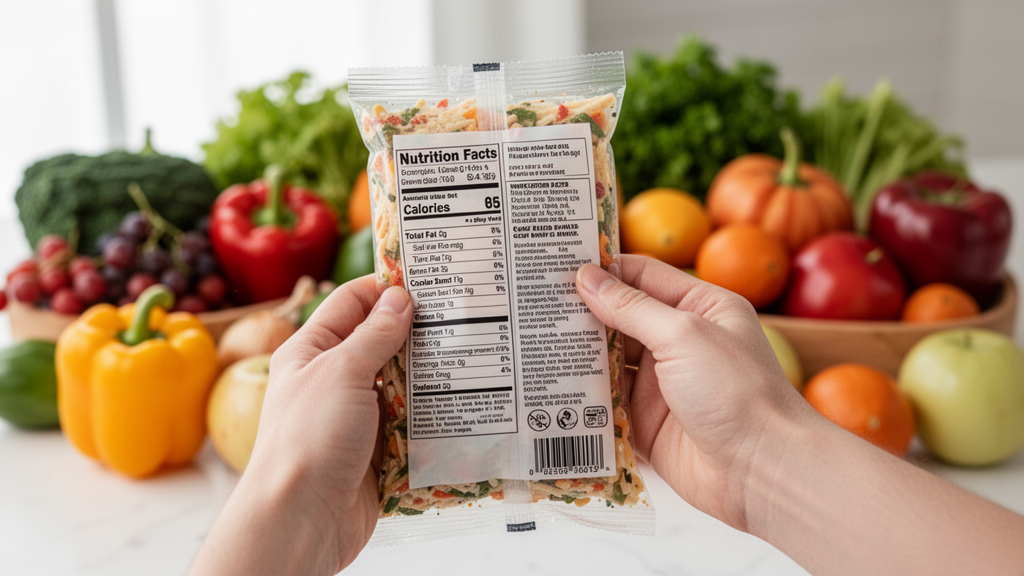
How to Read Nutrition Labels Like a Pro
Decode serving sizes, daily values, and ingredient lists to make smarter food choices.