
Keto Meal Prep: Your Complete Weekly Guide
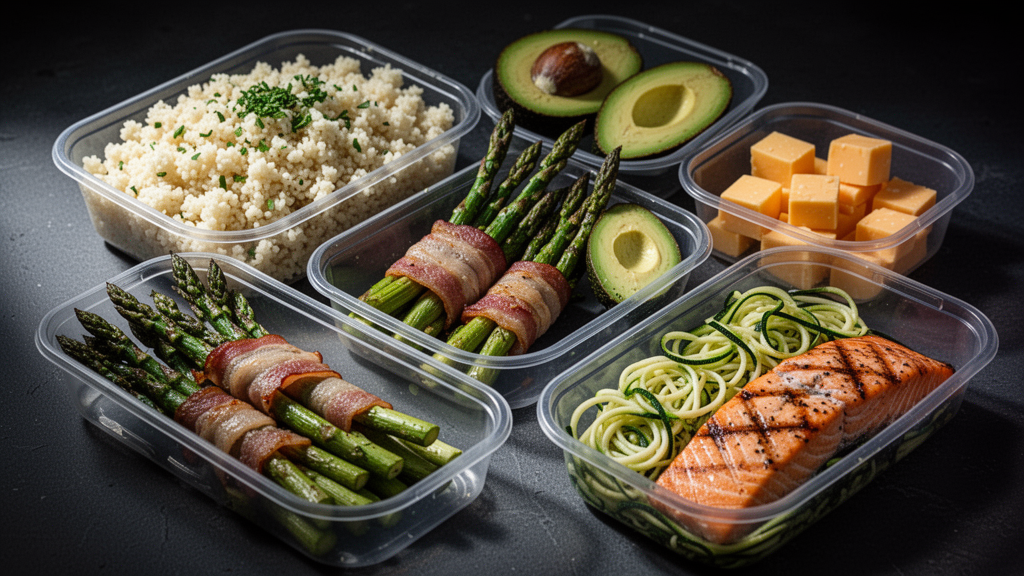
The ketogenic diet has exploded in popularity over the past several years, and for good reason. By drastically reducing carbohydrate intake and replacing it with fat, the keto diet shifts your body into a metabolic state called ketosis, where it burns fat for fuel instead of glucose. Many people report increased energy, mental clarity, reduced appetite, and significant weight loss on keto. But here is the catch: keto is one of the most challenging diets to follow without planning. One carb-heavy meal can knock you out of ketosis, and the temptation of bread, pasta, and sweets is constant. That is why meal prep is not just helpful for keto—it is essential. This complete weekly guide will show you exactly how to plan, prep, and execute a full week of ketogenic meals.
Understanding Keto Macros
Before you start cooking, you need to understand the macro framework of a ketogenic diet. The standard keto diet typically calls for 70 to 75 percent of calories from fat, 20 to 25 percent from protein, and only 5 to 10 percent from carbohydrates. For a 2,000-calorie diet, that translates to roughly 155 grams of fat, 100 grams of protein, and 20 to 50 grams of net carbs per day (net carbs are total carbs minus fiber).
Staying within these ranges is what keeps your body in ketosis. If you eat too many carbs, even just one high-carb meal, your body will switch back to burning glucose and you will lose the metabolic benefits of ketosis. This is exactly why meal prep is so critical for keto followers: when every meal is pre-planned and pre-portioned, there is no guesswork and no risk of accidentally exceeding your carb limit.
Keto-Friendly Staple Ingredients
Building a keto meal prep pantry starts with stocking the right ingredients. For proteins, focus on fatty cuts of meat (chicken thighs over breasts, salmon over tilapia, ribeye over sirloin), eggs, bacon, and full-fat dairy. For fats, keep avocados, olive oil, coconut oil, butter, and nuts on hand. For low-carb vegetables, prioritize leafy greens (spinach, kale, arugula), cruciferous vegetables (broccoli, cauliflower, Brussels sprouts), and other low-carb options like zucchini, asparagus, and bell peppers.
Understanding how fats and carbs work in your body is key to keto success. Refresh your knowledge with our simple macronutrient breakdown.
Avoid or strictly limit all grains, bread, pasta, rice, potatoes, most fruits (berries are the exception in small quantities), sugar, and anything made with flour. Once you internalize this ingredient framework, planning keto meals becomes almost intuitive.
Monday and Tuesday: Salmon and Cauliflower Rice Bowls
Start the week with a rich, omega-3 packed meal. Season salmon fillets with lemon, garlic, and dill, then pan-sear in butter for four minutes per side. Serve over cauliflower rice sautéed with garlic and olive oil, with a side of roasted asparagus. Each serving delivers approximately 42 grams of fat, 35 grams of protein, and just 6 grams of net carbs. Make a double batch on Sunday evening—this dish reheats beautifully.
Wednesday and Thursday: Chicken Thigh and Broccoli Bake
Chicken thighs are the keto meal prepper's best friend because they are high in fat, incredibly flavorful, and stay moist for days in the fridge. Place bone-in, skin-on chicken thighs on a sheet pan with broccoli florets. Drizzle everything generously with olive oil and season with Italian herbs, garlic powder, salt, and pepper. Roast at 425 degrees for thirty-five to forty minutes until the skin is crispy and the chicken reaches 175 degrees internal temperature. Each serving provides about 38 grams of fat, 30 grams of protein, and 5 grams of net carbs.
Need more protein-forward recipes to pair with your keto meals? Browse our 10 high-protein meal prep recipes—many of which are keto-friendly.
Friday: Beef and Zucchini Noodle Stir-Fry
End the workweek with something satisfying. Spiralize two large zucchini into noodles (or buy pre-spiralized zucchini to save time). Stir-fry thinly sliced flank steak in sesame oil with garlic, ginger, and coconut aminos (a keto-friendly soy sauce alternative). Toss in the zucchini noodles and cook for just two minutes—they should be tender but still have a bite. Top with sesame seeds and sliced green onions. This meal delivers around 35 grams of fat, 40 grams of protein, and just 8 grams of net carbs.
Weekend Breakfasts: Egg and Bacon Muffin Cups
For breakfast prep, line a muffin tin with bacon strips, forming cups. Crack an egg into each bacon cup, season with salt, pepper, and a sprinkle of shredded cheese. Bake at 375 degrees for fifteen to eighteen minutes. These muffin cups are perfectly portable, reheat in sixty seconds, and each one provides about 15 grams of fat, 12 grams of protein, and virtually zero carbs. Make a dozen on Sunday and you have breakfast covered for the entire week.
Keeping keto meals fresh all week requires the right storage. Our container guide will help you pick the best options for fatty and liquid-heavy meals.
Keto Snack Prep
Snacking on keto can be tricky if you are not prepared. Pre-portion these keto-friendly snacks into small containers or bags at the beginning of each week: hard-boiled eggs (cook a dozen at once), celery sticks with almond butter, cheese cubes, olives, macadamia nuts, pork rinds, and sliced cucumbers with cream cheese. Having these ready to grab eliminates the temptation to reach for carb-heavy convenience snacks.
Fat Bombs: The Secret Keto Weapon
Fat bombs are concentrated treats designed to help you meet your daily fat macro without adding carbs. A classic recipe: melt two tablespoons of coconut oil with two tablespoons of natural peanut butter and one tablespoon of cocoa powder. Pour into silicone molds and freeze. Each fat bomb provides about 15 grams of fat, 3 grams of protein, and 2 grams of net carbs. Keep a batch in the freezer at all times for when you need a quick fat boost or a satisfying dessert-like treat.
Tracking net carbs is essential on keto. Learn how to read nutrition labels like a pro so you never accidentally break ketosis.
Meal Prep Tips Specific to Keto
Several meal prep tips are especially relevant for keto followers. First, always weigh and log your ingredients during prep so you know exactly how many carbs are in each container. A kitchen scale is essential. Second, cook with generous amounts of fat—butter, olive oil, coconut oil—to ensure each meal is calorically sufficient. Third, prep your vegetables separately from your proteins when possible, as they have different reheat requirements. Overcooked vegetables lose their texture, while proteins need thorough reheating for food safety.
Fourth, invest in a good set of containers with tight-fitting lids. Keto meals tend to be oilier than standard meal prep, and a leaky container will ruin your lunch bag and your day. Finally, keep electrolyte supplementation in mind. Many keto dieters experience the keto flu in their first week, which is largely caused by electrolyte depletion. Add extra salt to your meals and consider supplementing with magnesium and potassium.
When You Need a Break from Cooking
Even the most dedicated meal preppers need a break sometimes. On those weeks when you just cannot face another Sunday cooking session, local meal prep services can be a lifesaver. Many providers on Fondoo offer keto-specific menu options with full macro breakdowns, so you can stay in ketosis without lifting a spatula. It is the best of both worlds: the dietary precision of keto with the convenience of having someone else do the cooking.
Related Articles
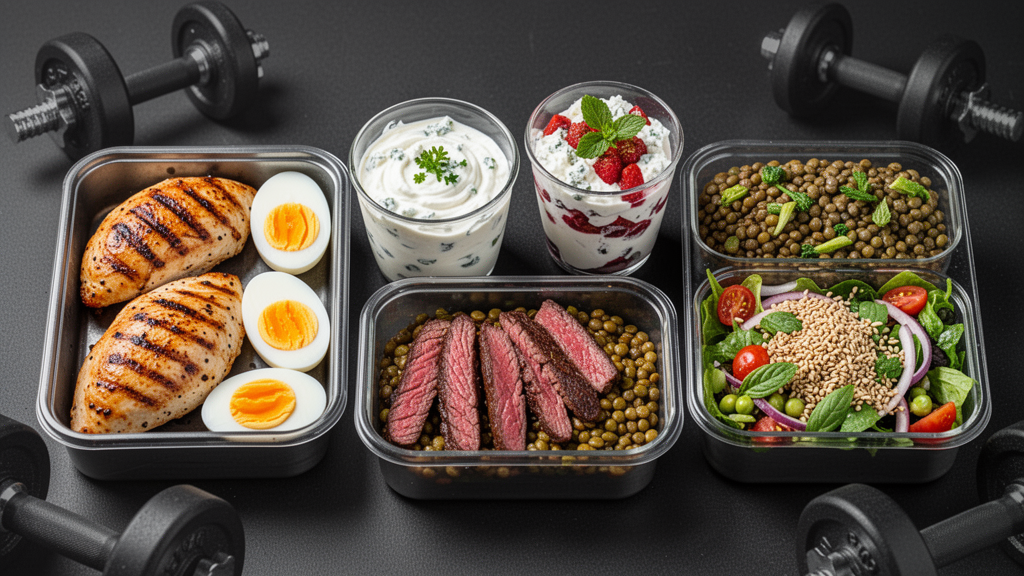
10 High-Protein Meal Prep Recipes for Muscle Building
Fuel your fitness goals with these protein-packed recipes designed for batch cooking.
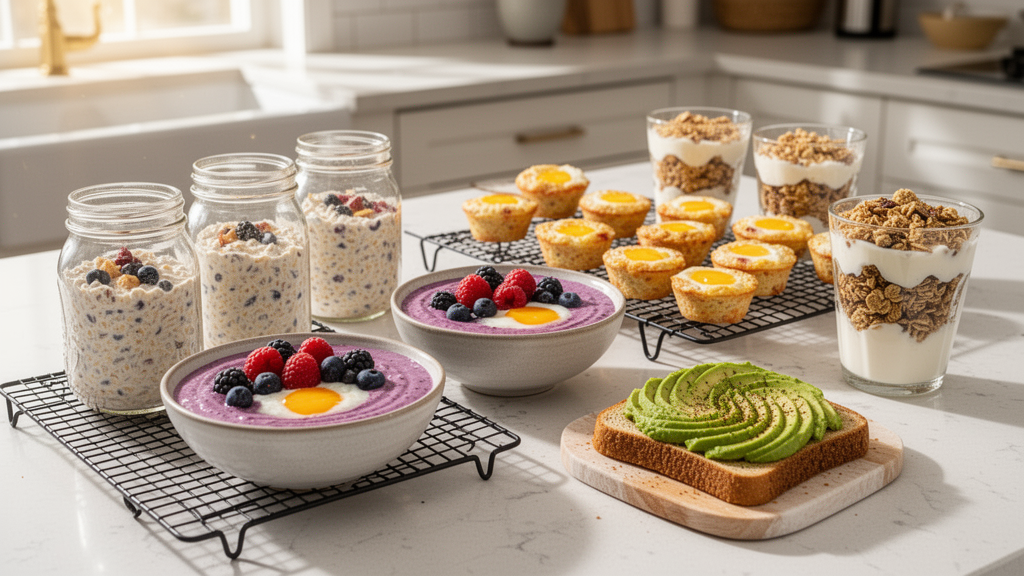
5 Quick & Healthy Breakfast Ideas You Can Prep Ahead
Start your mornings right with these make-ahead breakfast recipes that take under 30 minutes to prepare.
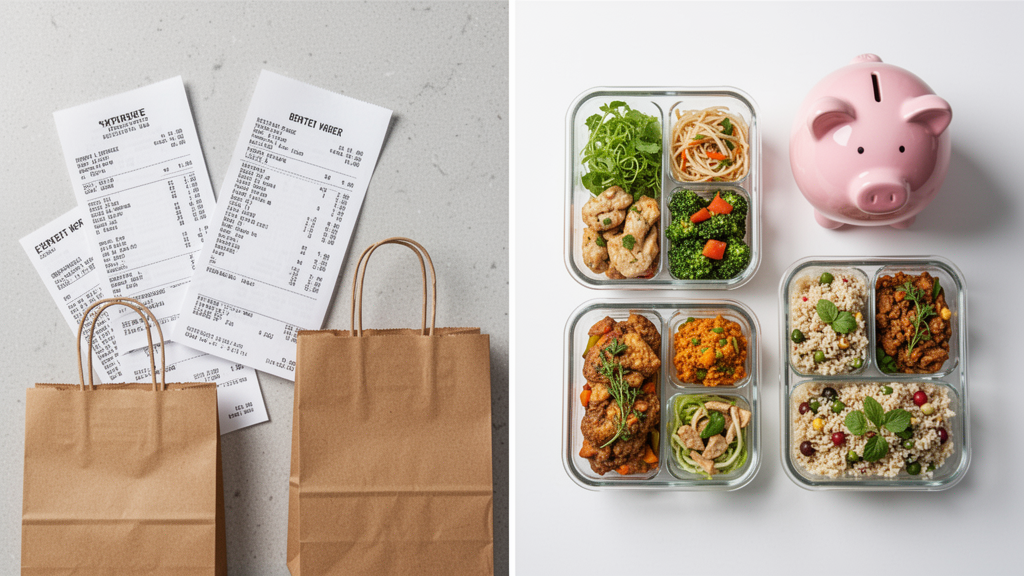
How Meal Prep Can Save You $200+ Per Month
Discover the real financial benefits of meal prepping and how to maximize your savings.