
How Meal Prep Can Save You $200+ Per Month
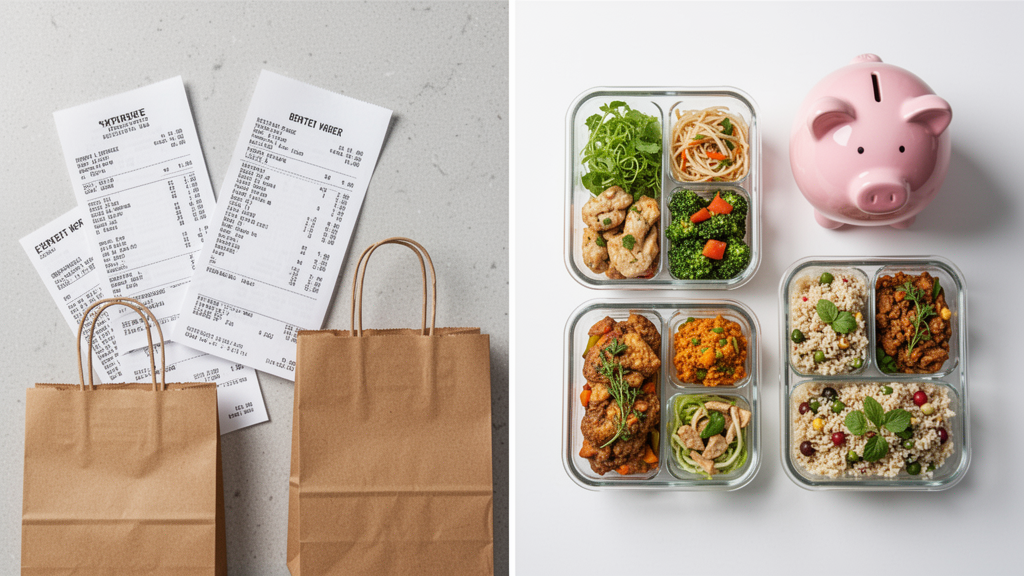
Let us talk about money. Specifically, let us talk about how much of it you are spending on food without realizing it. Between daily coffee runs, weekday lunches at restaurants, Friday night takeout, and the produce that wilts in the back of your refrigerator every week, the average American household spends a staggering amount on food—much of it wasted. Meal prep is not just a health strategy; it is a financial strategy. With a little planning and a few hours of cooking per week, you can realistically save over two hundred dollars per month. Here is exactly how the math works.
The True Cost of Not Meal Prepping
Start by tracking what you actually spend on food for a week. Include everything: grocery store purchases, restaurant meals, takeout orders, delivery app fees, tips, coffee shop visits, vending machine snacks, and any food that goes to waste. Most people are shocked by the total. The Bureau of Labor Statistics reports that the average American household spends about $8,000 per year on food, with roughly half of that going to food prepared away from home.
Ready to start saving? Our complete beginner's guide to meal prep walks you through everything you need to get started this weekend.
Let us break that down for an individual. If you buy a coffee and breakfast pastry each morning ($6), eat lunch out during the workweek ($12 to $15 per meal), and order takeout for dinner two or three times per week ($15 to $25 per order), you are easily spending $400 to $600 per month on food prepared by someone else. Add in a grocery bill of $200 to $300 per month, much of which may go to waste if you do not have a cooking plan, and your total monthly food spend could be $600 to $900 or more.
The Meal Prep Budget Breakdown
Now let us look at what a disciplined meal prepper spends. When you buy ingredients in bulk and cook in batches, the cost per meal drops dramatically. A batch of twelve chicken breast meals with rice and roasted vegetables costs roughly $35 to $45 in ingredients, bringing each meal to about $3 to $4. A week's worth of overnight oats costs under $8. A large pot of soup that yields eight servings runs about $12 to $15.
Another way to save is by supporting local providers who often offer better value than national chains. Read about why choosing local meal prep services benefits everyone.
A well-planned meal prep budget for one person typically lands between $50 and $80 per week, or $200 to $320 per month. That covers breakfast, lunch, and dinner for every day of the week. Compare that to the $600 to $900 we calculated above, and the savings become obvious: $300 to $600 per month, or $3,600 to $7,200 per year. Even if you are conservative and say you save just $200 per month, that is $2,400 per year—enough for a vacation, an emergency fund contribution, or paying off a chunk of debt.
Where the Savings Come From
The savings from meal prep come from several sources. The first and most obvious is eliminating restaurant and takeout spending. Restaurant meals cost two to three times more than the equivalent dish made at home because you are paying for labor, rent, utilities, and profit margin on top of the food cost. When you cook at home, you pay only for the ingredients.
The savings multiply when you are feeding a family. Check out our guide to family meal prep for under $50 per week for budget-stretching strategies.
The second source of savings is reduced food waste. The USDA estimates that the average American household wastes about 30 to 40 percent of its food. That means nearly a third of your grocery spending goes straight into the trash. Meal prepping eliminates this waste because you buy only what your meal plan calls for, and you use everything you buy. No more wilted lettuce forgotten in the produce drawer or expired yogurt pushed to the back of the fridge.
The third source is the elimination of impulse purchases. When you have meals ready to eat at home, you are far less likely to swing through a drive-through, order delivery on an app, or grab an overpriced salad from the cafe downstairs. Every meal prep container in your fridge is a decision already made—and each one saves you the cost difference between home-cooked food and the convenient alternative.
The Hidden Costs People Forget
When comparing meal prep to eating out, people often forget to account for the hidden costs of restaurant and delivery food. Delivery app fees alone can add $5 to $10 per order between service fees, delivery charges, and tips. Over a month of regular ordering, those fees can total $50 to $100 on top of the food cost itself. Then there are the drinks. A restaurant meal almost always includes a beverage ($3 to $8), which you would not buy if eating at home.
One of the biggest areas of food waste is breakfast. Try these 5 quick breakfast ideas you can prep ahead to stop throwing money away on morning meals.
Tax and tip add another 20 to 30 percent to every restaurant bill. A $15 lunch becomes $19 to $20 after tax and tip. A $25 dinner becomes $32 to $35. These incremental costs seem small in the moment but compound dramatically over a month of regular dining out.
Meal Prep Does Not Mean Boring Food
A common objection to meal prep is the perception that it means eating bland, repetitive food. This could not be further from the truth. With a little creativity and planning, meal prep meals can be as exciting and varied as anything you would order at a restaurant. The key is variety in your seasonings, sauces, and cooking methods.
Monday might be Thai-inspired peanut chicken with jasmine rice. Tuesday is Mediterranean quinoa bowls with grilled vegetables and tzatziki. Wednesday features Mexican-style burrito bowls with seasoned ground turkey and fresh pico de gallo. By rotating cuisines and flavor profiles, you never feel bored or deprived. And because you are cooking at home, you can customize everything to your exact preferences—more spice, less salt, extra vegetables, no onions, whatever you want.
The Semi-Prep Approach
If the idea of cooking every single meal feels overwhelming, consider a hybrid approach. Prep your weekday lunches and breakfasts, but give yourself the freedom to cook fresh dinners or eat out once or twice on weekends. Even this partial approach can save you $150 or more per month by eliminating the most expensive meals: weekday lunches eaten at restaurants during the workday.
Another hybrid option is to supplement your home meal prep with an affordable local meal prep service. Providers on Fondoo often offer meals at price points that are significantly cheaper than restaurant dining while still being more convenient than cooking from scratch. A $8 to $12 chef-prepared meal is a much smarter financial choice than a $20 delivery order, and you still enjoy the variety and quality of professionally cooked food.
Getting Started Today
You do not need to overhaul your entire food budget overnight. Start by meal prepping just your lunches for one week. Track what you would have spent on those five lunches if you had eaten out, then subtract the cost of your groceries. See the difference in black and white. For most people, that single change saves $40 to $60 per week. Once you see those numbers, the motivation to expand your meal prep to include breakfasts and dinners follows naturally. The money you save is real, tangible, and waiting for you to claim it. All it takes is a few hours, a trip to the grocery store, and the decision to start.
Related Articles
Why Choosing Local Meal Prep Services Is Better for Everyone
From fresher ingredients to supporting your community, discover why local meal prep beats national chains.
10 High-Protein Meal Prep Recipes for Muscle Building
Fuel your fitness goals with these protein-packed recipes designed for batch cooking.
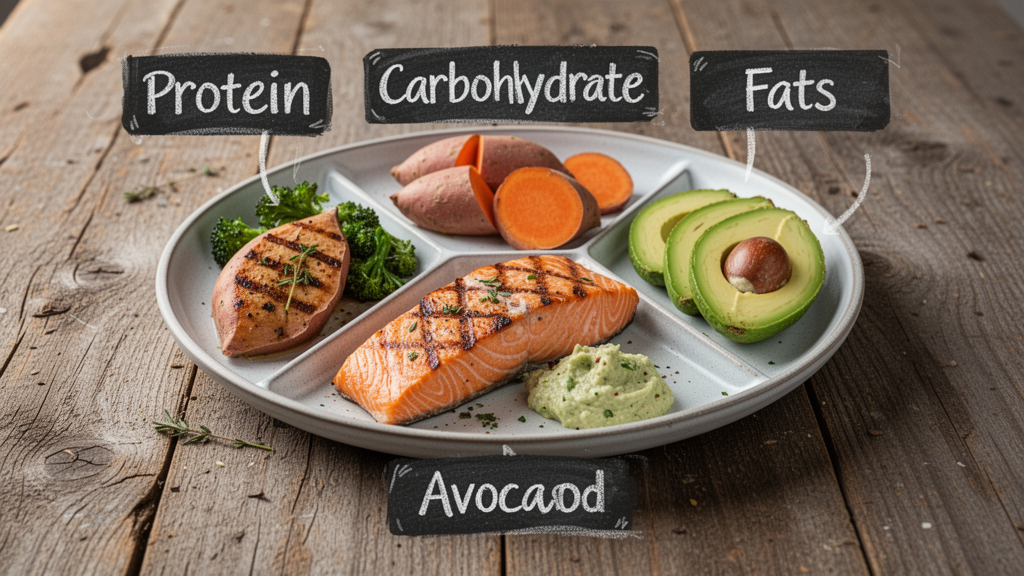
Understanding Macronutrients: A Simple Breakdown
Learn what proteins, carbs, and fats do for your body and how to balance them in your meals.