
The Complete Beginner's Guide to Meal Prep
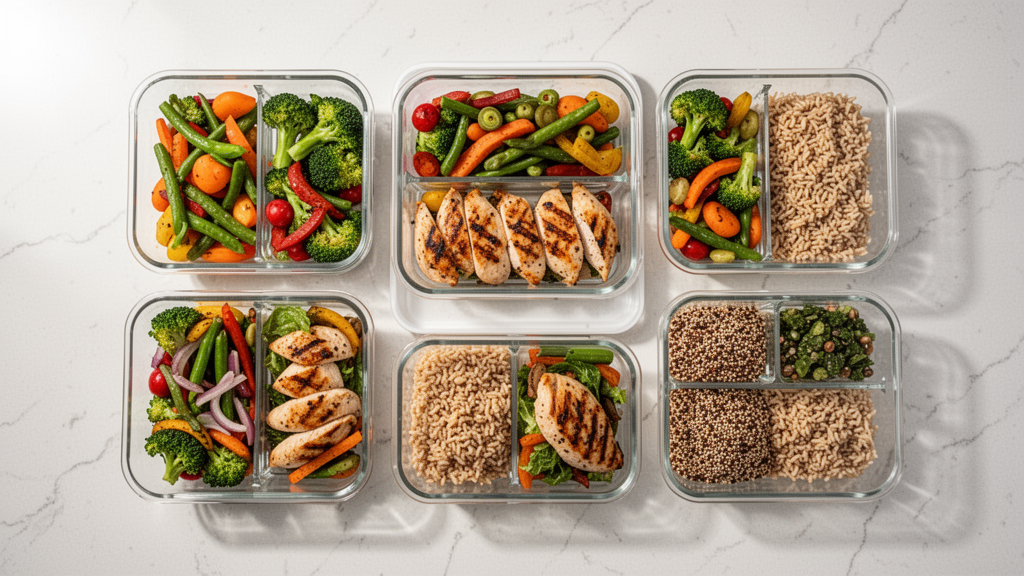
Meal prep is one of the most powerful habits you can develop for your health, your wallet, and your peace of mind. Whether you are a busy professional juggling deadlines, a parent trying to feed a family of four, or a fitness enthusiast tracking every macro, learning to prepare meals ahead of time will transform the way you eat. This comprehensive guide will walk you through everything you need to know to get started with meal prep, even if you have never cooked more than one meal at a time.
What Is Meal Prep, Exactly?
At its core, meal prep is simply the act of preparing some or all of your meals ahead of time. This can range from chopping vegetables on a Sunday afternoon to cooking an entire week's worth of lunches and dinners in a single session. There is no one-size-fits-all approach. Some people prefer to cook full meals and portion them into containers, while others like to prep individual ingredients that can be mixed and matched throughout the week. The beauty of meal prep is its flexibility.
Why Should You Start Meal Prepping?
The benefits of meal prep extend far beyond convenience. First, there is the obvious time savings. Instead of cooking three separate meals every day, you spend a few hours once or twice a week and have food ready to go. This means less time standing over a stove on weekday evenings and more time doing things you actually enjoy.
Once you have your recipes planned, the next step is storage. Having the right containers is essential—check out our ultimate guide to meal prep containers for detailed recommendations.
Second, meal prep can dramatically improve your nutrition. When you plan your meals in advance, you are far less likely to reach for processed snacks or order takeout out of desperation. You control the ingredients, the portions, and the balance of macronutrients. Studies consistently show that people who cook at home eat fewer calories, less sugar, and more vegetables than those who rely on restaurants and fast food.
Third, meal prepping saves money. The average American spends over $3,000 a year on dining out. By preparing meals at home in bulk, you can cut your food expenses by 40 to 60 percent. Buying ingredients in larger quantities, reducing food waste, and eliminating impulse purchases all contribute to significant savings over time.
Getting Started: The Essential Equipment
You do not need a professional kitchen to start meal prepping. Here is what you actually need: a set of quality food storage containers (glass is ideal for reheating, but BPA-free plastic works too), a sharp chef's knife, a large cutting board, a couple of sheet pans, a large pot or Dutch oven, and basic measuring cups and spoons. If you want to level up, a slow cooker or Instant Pot can be a game changer for hands-off cooking.
Planning Your First Meal Prep Session
The key to successful meal prep is planning. Before you hit the grocery store, decide what meals you want to prepare for the week. Start simple. Choose two to three protein sources, two to three carbohydrate sources, and a variety of vegetables. A classic beginner combo might be grilled chicken breast, brown rice, and roasted broccoli. From there, you can create variety by changing the sauces, seasonings, and sides.
Beyond the health benefits, meal prep is also a money-saver. Learn exactly how meal prep can save you $200+ per month by cutting down on takeout and impulse grocery purchases.
Write out a shopping list based on your meal plan and stick to it. This eliminates impulse buying and ensures you have everything you need when it is time to cook. Many experienced meal preppers recommend shopping on Saturday and cooking on Sunday, but find whatever rhythm works for your schedule.
The Cooking Process
When it comes time to cook, efficiency is everything. Start with the items that take the longest. Put your rice or grains on the stove first, then get your proteins seasoned and in the oven or on the stovetop. While those are cooking, wash and chop your vegetables. Roast vegetables on sheet pans alongside your proteins to maximize oven space. Use multiple burners on your stove at once. Think of it as an assembly line, not a single-dish cooking session.
Once everything is cooked, let it cool slightly before portioning into your containers. Aim for balanced portions: roughly a palm-sized serving of protein, a fist-sized serving of carbs, and a generous helping of vegetables. Label your containers with the date if you are prepping for more than a few days.
Storage and Food Safety
Proper storage is critical for both food safety and quality. Most prepped meals will last three to five days in the refrigerator when stored in airtight containers. If you are prepping for a full week, consider freezing meals for Thursday through Sunday and thawing them as needed. Most meal prep dishes freeze beautifully, especially soups, stews, grain bowls, and casseroles. Always reheat food to an internal temperature of 165 degrees Fahrenheit to ensure safety.
If you are cooking for more than just yourself, be sure to read our tips on family-friendly meal prep on a budget.
Common Mistakes to Avoid
One of the biggest mistakes beginners make is trying to do too much too soon. If you have never meal prepped before, start with just lunches for the workweek. Once you have that routine down, add breakfasts or dinners. Another common pitfall is lack of variety. Eating the exact same meal five days in a row gets boring quickly. Rotate your recipes every week or two, and use different sauces and seasonings to keep things interesting.
Overcomplicating recipes is another trap. The best meal prep recipes are simple, use minimal ingredients, and reheat well. Save your elaborate dinner party dishes for the weekend and keep your weekday meals straightforward and nutritious.
Taking It to the Next Level
Once you are comfortable with basic meal prep, you can start exploring more advanced techniques. Theme nights (Taco Tuesday, Stir-Fry Thursday) add variety without extra planning. Batch cooking sauces and dressings gives you instant flavor upgrades. And if you really want to optimize, consider using a local meal prep service like the ones you can find on Fondoo to supplement your home cooking with professionally prepared, nutritionally balanced meals.
Need inspiration for your first prepped meal of the day? Start with these 5 quick and healthy breakfast ideas you can prep ahead.
The journey to consistent meal prep is a marathon, not a sprint. Start small, stay consistent, and adjust as you learn what works for your lifestyle. Your future self—healthier, wealthier, and less stressed at dinnertime—will thank you.
Related Articles
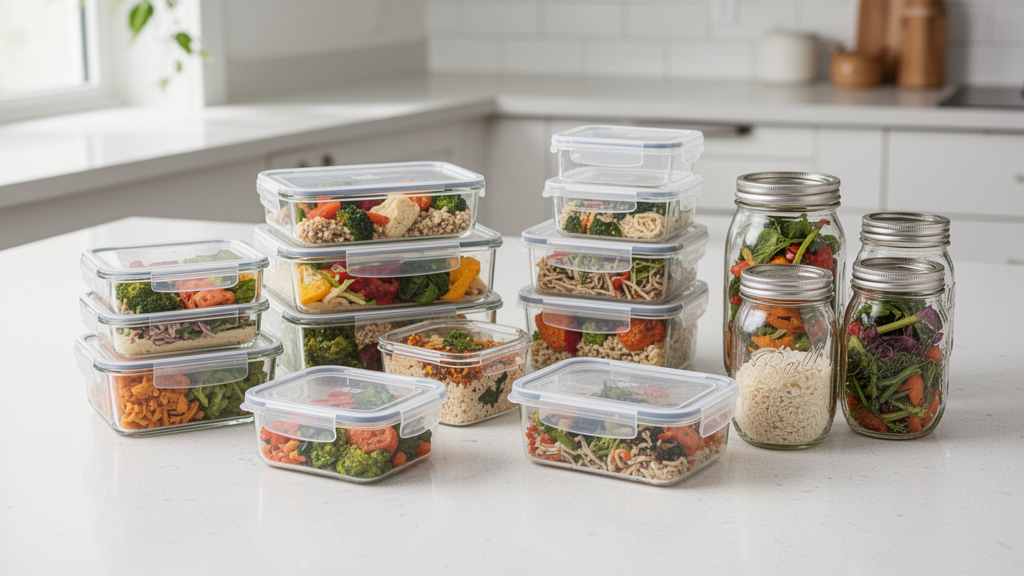
The Ultimate Guide to Meal Prep Containers
Glass vs. plastic, sizes, and organization tips — everything you need for the perfect meal prep setup.
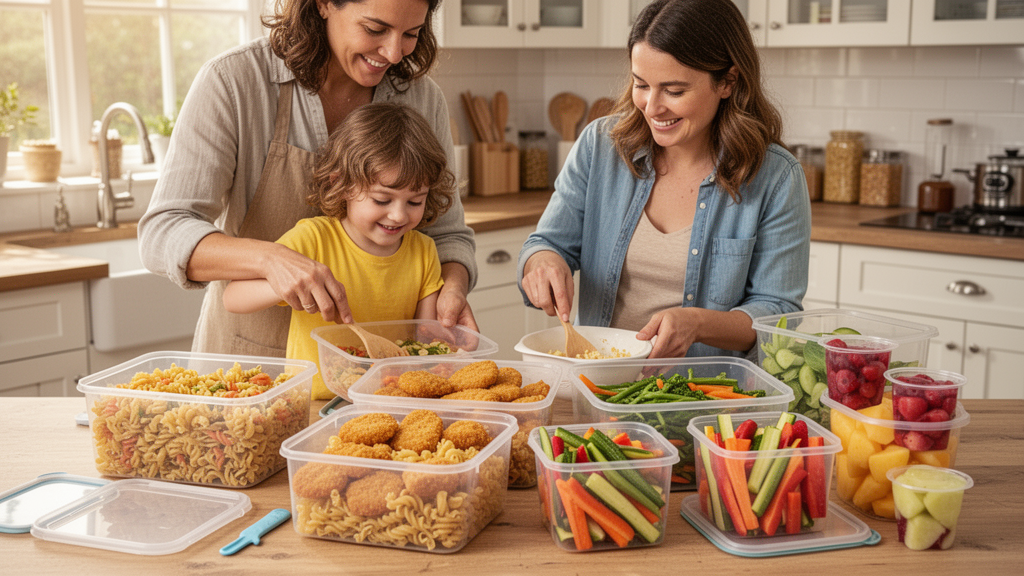
Family-Friendly Meal Prep: Feed 4 for Under $50/Week
Budget-conscious strategies and kid-approved recipes for families who want to eat healthier.
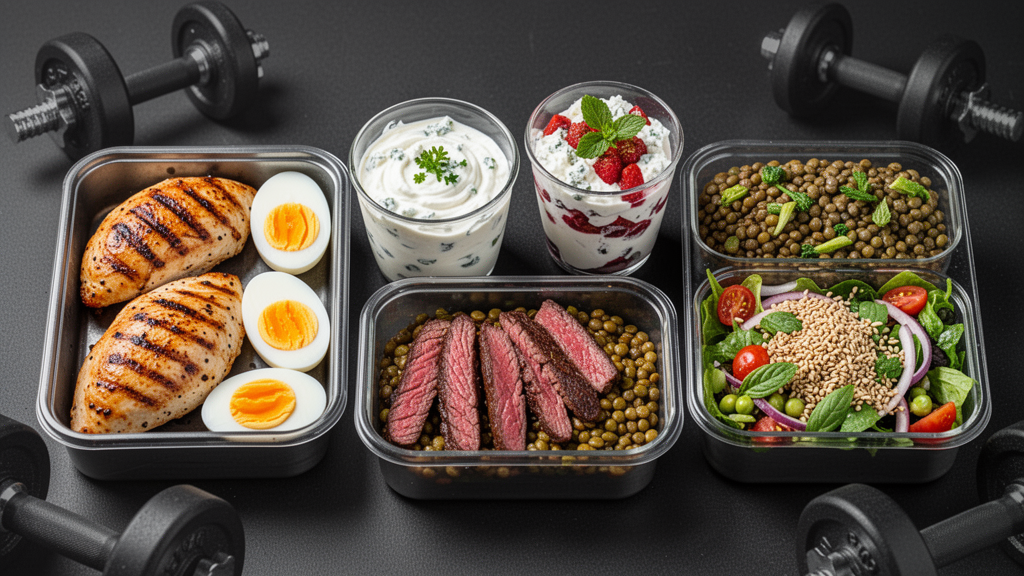
10 High-Protein Meal Prep Recipes for Muscle Building
Fuel your fitness goals with these protein-packed recipes designed for batch cooking.