
The Ultimate Guide to Meal Prep Containers
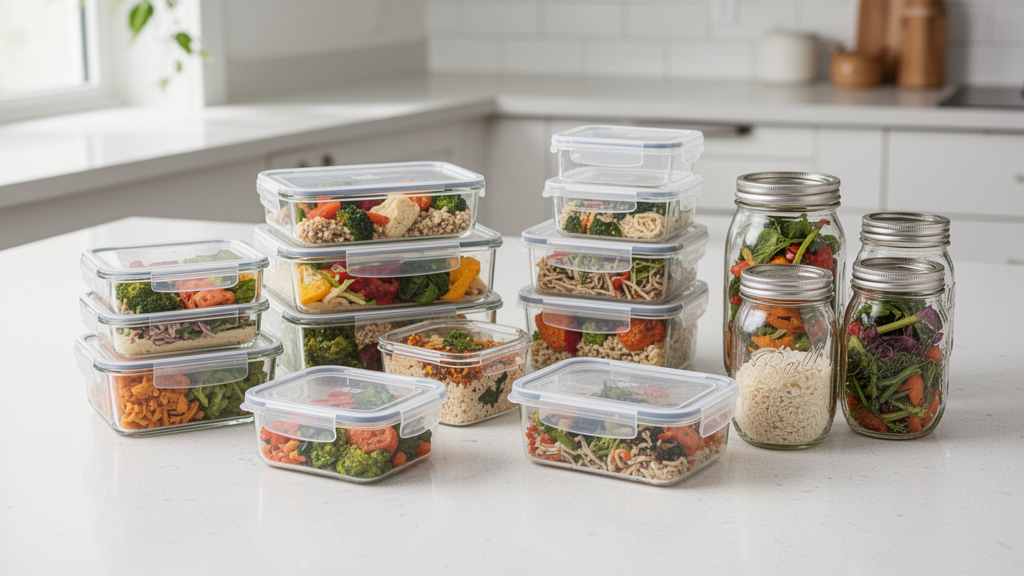
The right containers can make or break your meal prep game. Invest in flimsy, ill-fitting containers and you will deal with leaks, stale food, and frustration. Choose wisely and your prepped meals will stay fresh, reheat beautifully, and travel without incident. This guide covers every type of meal prep container on the market, their pros and cons, and our recommendations for every budget and lifestyle.
Glass Containers: The Gold Standard
Glass meal prep containers are the top choice for serious meal preppers, and for good reason. They are completely non-toxic, meaning no chemicals leach into your food regardless of temperature. You can go from freezer to microwave to dishwasher without worry. Glass does not absorb stains or odors, so your containers look and smell clean even after storing tomato-based sauces or pungent curries. And because glass is transparent, you can see exactly what is inside each container without opening it.
The main drawback of glass is weight. A full set of glass containers is noticeably heavier than plastic alternatives, which matters if you are carrying your lunch to work in a bag. Glass is also breakable, though most modern meal prep containers use tempered borosilicate glass that is significantly more durable than regular glass. Brands like Pyrex, Prep Naturals, and Bayco offer excellent options with snap-lock lids that create airtight seals.
For most people, a starter set of ten to twelve glass containers in two or three sizes will cover all their needs. Expect to spend between thirty and fifty dollars for a quality set that will last for years.
BPA-Free Plastic Containers: Budget-Friendly and Lightweight
Plastic meal prep containers are the most affordable option and come in an almost overwhelming variety of shapes and sizes. Modern BPA-free plastic is food-safe and lightweight, making it ideal for on-the-go meal preppers. Many plastic containers are also microwave-safe, though it is worth checking the specific product—not all plastics handle heat equally well.
If you are just getting started with meal prep, pair this containers guide with our complete beginner's guide to meal prep for a full foundation.
The downsides of plastic are well-documented. Over time, plastic containers can warp in the microwave, absorb stains and odors (especially from tomato sauce, turmeric, and beets), and degrade with repeated washing. Plastic containers also have a shorter lifespan than glass and will need replacing every six to twelve months with heavy use.
That said, if you are just starting out with meal prep and want to experiment without a large upfront investment, a set of thirty-two ounce plastic containers is an excellent way to begin. You can find packs of fifteen to twenty containers for under fifteen dollars. Use them to figure out your preferred portion sizes and meal types, then upgrade to glass once you have your system dialed in.
Divided Containers: Keeping Things Separate
Divided containers, also called bento-style containers, feature two or three compartments that keep different components of your meal separate. This is a game changer for certain types of meals. Imagine a grain bowl where you want the rice on one side, the protein in another, and the sauce in a small compartment so it does not make everything soggy. Or a snack box with hummus, crackers, vegetables, and fruit each in their own section.
Divided containers are available in both glass and plastic. Glass divided containers tend to be more expensive but maintain the benefits of glass. Plastic divided containers are more common and more affordable. Look for containers with compartment walls that are tall enough to genuinely prevent mixing—some cheaper options have low dividers that allow liquids to flow between sections.
Mason Jars: Not Just for Overnight Oats
Mason jars are a meal prep staple, and their uses extend far beyond overnight oats. Wide-mouth mason jars in sixteen or thirty-two ounce sizes are perfect for salads (dressing on the bottom, hearty ingredients in the middle, greens on top), soups, smoothie packs, chia pudding, and even layered grain bowls. They are airtight, leakproof when sealed properly, and aesthetically pleasing.
Prepping for a whole family? Our guide to family-friendly meal prep for under $50 a week covers portioning strategies that work with any container system.
The cylindrical shape of mason jars does limit their versatility for certain meals—they are not ideal for dishes that need to be spread flat, like stir-fries or casseroles. But for liquids, layered meals, and grab-and-go breakfasts, they are unbeatable. A twelve-pack of mason jars typically costs under ten dollars, making them one of the most cost-effective container options available.
Stainless Steel Containers: The Eco-Friendly Choice
For the environmentally conscious meal prepper, stainless steel containers offer a plastic-free, chemical-free alternative that lasts essentially forever. Stainless steel is naturally antibacterial, does not retain odors, and is virtually indestructible. Premium brands like LunchBots, ECOlunchbox, and PlanetBox offer beautifully designed containers in various sizes with leak-proof lids.
The biggest limitation of stainless steel is that it cannot go in the microwave. If you reheat your meals at work or school, you will need access to a stove or toaster oven, or you will need to transfer your food to a microwave-safe dish. Stainless steel containers are also among the most expensive options, with individual containers ranging from fifteen to thirty dollars each. But their durability means you may never need to replace them, making the long-term cost-per-use very low.
Silicone Bags and Pouches: The Space Savers
Reusable silicone bags have emerged as a popular alternative to both plastic bags and rigid containers. They are flexible, collapsible, freezer-safe, and many are dishwasher-safe. Silicone bags are particularly useful for storing pre-portioned ingredients like smoothie packs, marinated proteins, and chopped vegetables. They take up far less space than rigid containers, which is a huge advantage if you have a small refrigerator or freezer.
Certain diets require specific container configurations. If you are following a keto diet, check out our complete weekly keto meal prep guide for portioning tips.
However, silicone bags are not great for meals that need to maintain their shape or be transported upright. Soups, sauces, and grain bowls are tricky in a flexible bag. Think of silicone bags as a complement to your container collection rather than a replacement for rigid containers.
Choosing the Right Container System
The best container system depends on your specific needs and habits. If you primarily eat meals at home, invest in a high-quality glass set. If you carry meals to work daily, consider lightweight plastic or stainless steel with a good lunch bag. If you prep a lot of breakfasts, grab some mason jars. And if freezer space is at a premium, silicone bags will be your best friend.
Most experienced meal preppers end up with a mixed collection: glass containers for main meals, mason jars for breakfasts and salads, and silicone bags for freezer storage. Start with what fits your budget and upgrade over time as you refine your meal prep routine. The container is just a vessel—what matters most is the delicious, nutritious food inside it.
Related Articles
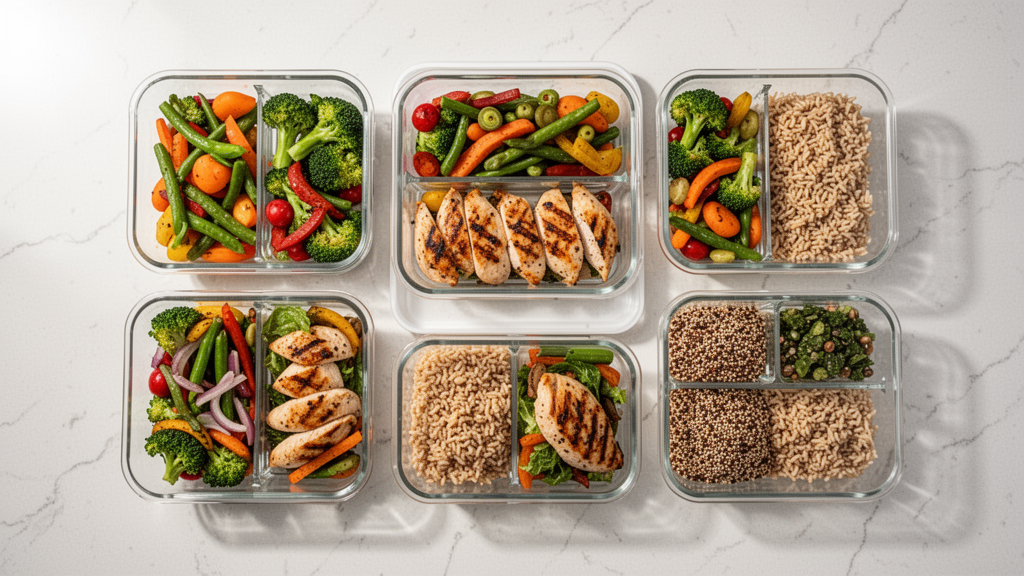
The Complete Beginner's Guide to Meal Prep
Everything you need to know to start your meal prep journey, from planning to storage tips.
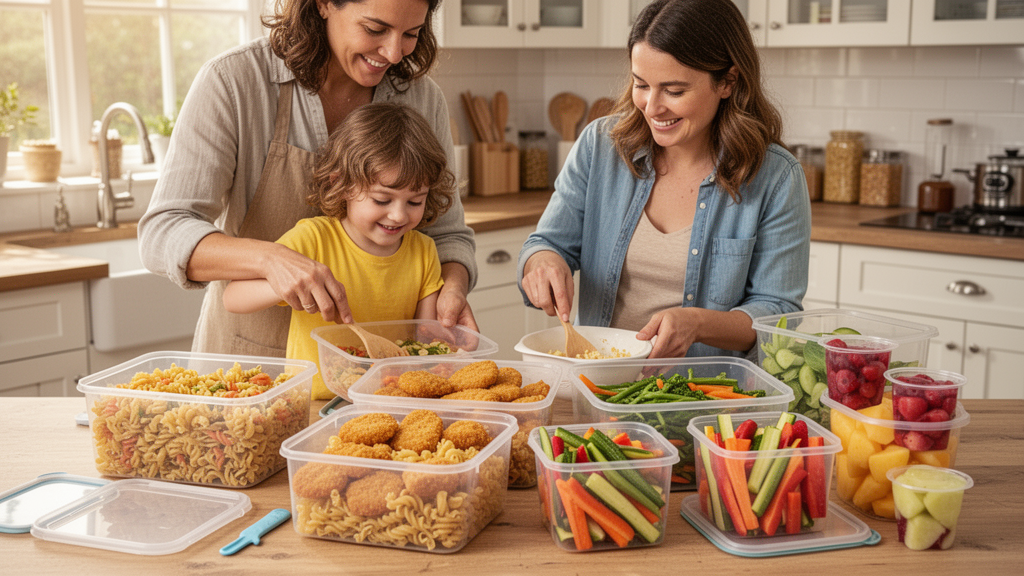
Family-Friendly Meal Prep: Feed 4 for Under $50/Week
Budget-conscious strategies and kid-approved recipes for families who want to eat healthier.
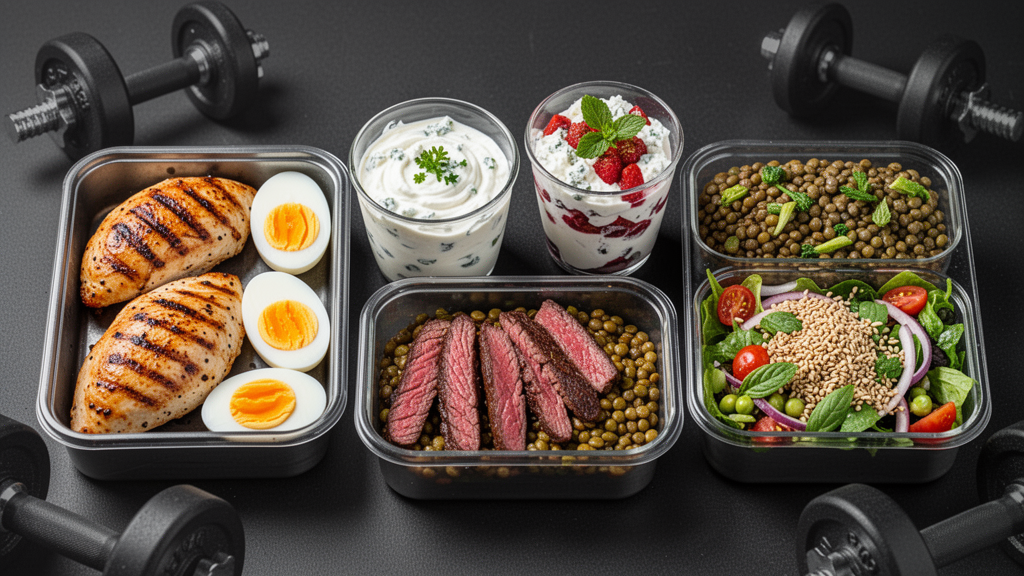
10 High-Protein Meal Prep Recipes for Muscle Building
Fuel your fitness goals with these protein-packed recipes designed for batch cooking.